
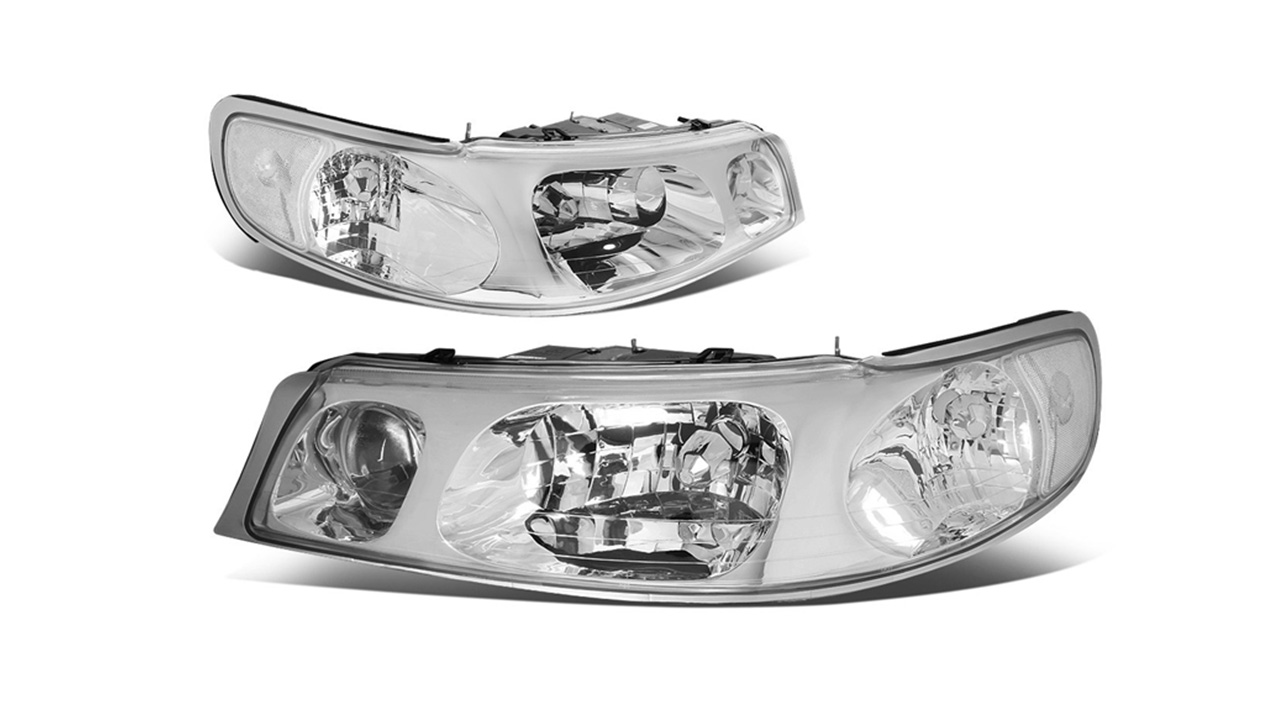
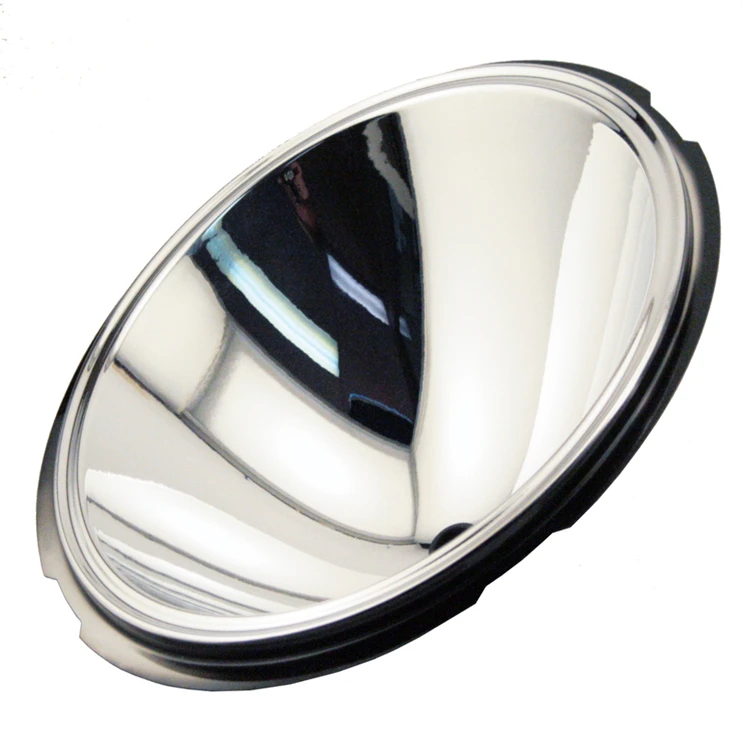
Physical Vapor Deposition (PVD) has become a cornerstone technology in the automotive industry, providing critical functional and decorative surface solutions for a wide range of components. As automakers demand higher performance, longer durability, and more sophisticated aesthetics, PVD offers an advanced coating method that meets these rigorous standards while supporting lighter-weight designs and improved environmental compliance. This process deposits ultra-thin, exceptionally hard, and highly adherent coatings onto automotive parts, significantly enhancing their properties in a clean, vacuum-based environment.
Vacuum metallizing in PVD coating is used for car accessories. The technology we use is aluminum evaporation or magnetron sputtering. We can get chrome like color on plastics very fast in a metallizing machine. The raw material is usually aluminum or chrome. But protective painting is necessary for plastic items. So it's not very important to use aluminum or chrome for the metal like color. Because the layer on the top is painting. The higher vacuum we obtain during PVD coating, the colors will be more bright. And with lower vacuum when coating, the color of coatings will be more dark. Sometimes we use UV painting line for pretreatment. We need a dust free to all the machine for the complete process and we can get the best quality.
PVD Technologies for Automotive Applications
The selection of PVD technique depends on the part's function, substrate material, and required coating properties.
-
Cathodic Arc Evaporation: Generates a highly ionized plasma by striking an electric arc on the target material. It produces coatings with superior adhesion and density, making it ideal for components exposed to extreme wear and harsh environments (e.g., piston rings, certain cutting tools).
-
Magnetron Sputtering: The most versatile and widely used method in automotive applications. It offers excellent control over coating uniformity, composition, and optical properties. It is the preferred technique for depositing decorative coatings with precise color matching (e.g., interior trim, wheel finishes) and complex multi-layer functional stacks.
-
Hybrid Processes: Advanced systems often combine technologies (e.g., sputtering with arc etching) to optimize both the bonding layer and the top functional layer, maximizing performance for critical engine and drivetrain components.
Primary Coating Materials and Their Functions
PVD coatings are engineered to address specific automotive challenges.
-
Decorative & Aesthetic Coatings:
-
Chromium Nitride (CrN), Zirconium Nitride (ZrN): Provide a bright, silvery-chrome or champagne-like finish that is more durable and environmentally friendly than traditional hexavalent chrome electroplating. Used for interior trims, door handles, and emblem badges.
-
Titanium-based Nitrides (TiN, TiAlN) & Carbonitrides: Offer a spectrum of colors from gold to bronze, anthracite grey, and black. Primarily used for wheel rims, exterior trim accents, and grilles to enhance visual appeal and corrosion resistance.
-
-
Functional & Wear-Resistant Coatings:
-
Diamond-Like Carbon (DLC): An extremely hard, low-friction coating. Essential for high-pressure fuel injector components, piston pins, tappets, and valvetrain parts to reduce friction, prevent scuffing, and improve fuel efficiency.
-
Chromium-based Nitrides (CrN, CrAlN): Offer excellent corrosion and wear resistance. Applied to pistons, piston rings, and various transmission components.
-
Lubricious Coatings (MoS₂, WC/C): Provide solid lubrication in dry or marginal lubrication conditions, used in certain bearings and actuators.
-
PVD Equipment for Automotive Manufacturing
Automotive production requires both high-volume throughput and meticulous quality control, driving specialized equipment design.
-
Batch-Type Coating Systems (For Mixed Production & Prototyping):
-
Description: Large vacuum chambers equipped with sophisticated fixturing (rotary racks, planetary systems) to hold a variety of part geometries.
-
Use Case: Ideal for lower-volume components, aftermarket parts, R&D prototyping, and mixed-model production where flexibility is key.
-
-
Fully Automated In-line Production Lines (For High-Volume OEM Parts):
-
Description: An integrated series of vacuum chambers through which parts are automatically transported on pallets or racks. The line includes multiple modules: load-lock, plasma cleaning, multiple deposition chambers (for different layers), cooling, and unload-lock.
-
Use Case: The standard for mass-producing components like wheel rims, interior trim pieces, and door handles. Ensures color and quality consistency across millions of parts.
-
Integration: These lines are often directly connected to upstream cleaning/polishing and downstream assembly or packaging stations.
-
Benefits and Automotive Industry Drivers
-
Superior Durability & Performance:
-
Wear & Abrasion Resistance: Extends component life in engine, transmission, and chassis parts.
-
Corrosion Resistance: Provides a superior barrier against road salts, brake dust, and weather, crucial for wheels and exterior trim.
-
Chemical Resistance: Withstands exposure to fuels, oils, and cleaning agents.
-
-
Enhanced Aesthetics & Design Freedom:
-
Offers a premium, high-tech metallic appearance with excellent color consistency and depth.
-
Enables innovative colors and finishes (e.g., black chrome, satin bronze) that differentiate vehicle brands and models.
-
-
Environmental & Regulatory Compliance:
-
Serves as the leading eco-friendly alternative to traditional decorative chrome electroplating, eliminating hexavalent chromium (CrVI) waste and associated environmental hazards.
-
The dry PVD process significantly reduces hazardous chemical usage and waste water generation.
-
-
Functional Advantages for Modern Vehicles:
-
Weight Reduction: Allows the use of lighter substrates (e.g., aluminum, plastic) that are then coated for durability, contributing to better fuel efficiency and lower emissions.
-
Friction Reduction: DLC and other low-friction coatings directly improve mechanical efficiency in the engine and drivetrain.
-
Application Examples by Component Category
-
Powertrain & Engine Components: Piston rings, pins, tappets, fuel injector plungers, camshafts, timing system components.
-
Interior Trim & Hardware: Dashboard accents, gear shift knobs, steering wheel logos, air vent surrounds, control knobs.
-
Exterior Trim & Functional Parts: Wheel rims, window trim, grille surrounds, door handles, mirror housings, roof rails, exhaust tips.
-
Lighting: Bezels and reflectors within headlamps and tail lamps.