
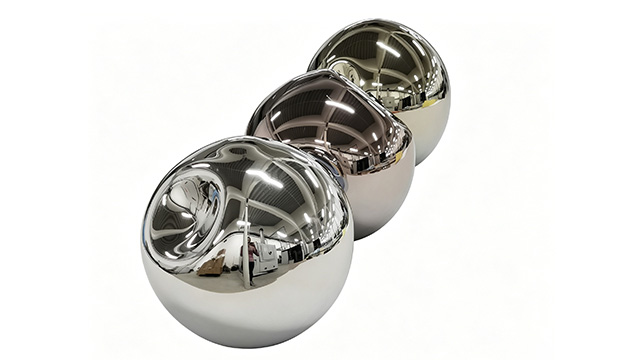


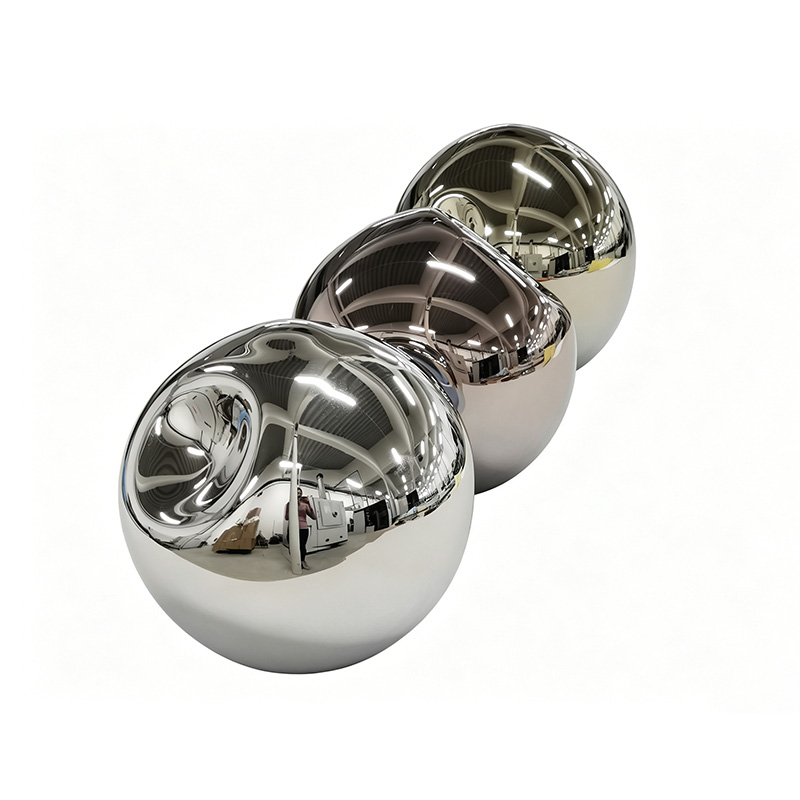
Physical Vapor Deposition (PVD) technology has emerged as a transformative force in the high-end decorative glass industry, particularly for lighting fixtures, mosaics, and artistic glass objects. By applying nanoscale metallic and ceramic coatings in a vacuum environment, PVD empowers designers and manufacturers to achieve unprecedented visual effects, functional enhancements, and superior durability on glass surfaces. This technology bridges the gap between traditional glass artistry and advanced material science, enabling products that are both aesthetically captivating and technically robust.
PVD Technologies for Decorative Glass
Given the non-conductive nature and often complex shapes of glass products, Magnetron Sputtering is the predominant PVD technique. It operates at relatively low temperatures, preventing thermal stress or deformation of the glass substrate.
-
Magnetron Sputtering: A solid target material (e.g., titanium, silicon, chrome, gold) is bombarded by ionized gas (argon plasma), causing atoms to be ejected and deposited onto the glass surface. The introduction of reactive gases like Nitrogen (N₂) or Oxygen (O₂) during the process allows for the creation of ceramic compounds (e.g., TiN, SiO₂), enabling a vast spectrum of colors and optical properties.
-
Key Feature: Excellent control over coating uniformity on 3D surfaces and the ability to deposit transparent, semi-transparent, or opaque layers with precise optical characteristics.
PVD Effects and Coating Materials
PVD coatings for decorative glass are engineered to manipulate light transmission, reflection, and color in innovative ways.
-
Metallic & Color Effects: Creation of durable metallic finishes such as brass, chrome, rose gold, bronze, and stainless steel (using Ti, Cr, Zr-based targets with reactive nitrogen).
-
Dichroic & Interference Effects: By depositing multiple, precisely controlled layers of materials with different refractive indices (e.g., TiO₂, SiO₂), PVD can produce stunning color-shifting, iridescent, and dichroic effects that change with viewing angle and lighting conditions—a hallmark of premium lighting and art glass.
-
Functional Optical Coatings:
-
Anti-Reflective (AR) Coatings: Multi-layer stacks to reduce glare and increase light transmission for crystal-clear optical components in灯具.
-
Color Tinting: Uniform application of neutral or vibrant colors (blues, greys, ambers) to the glass itself.
-
Mirrored & Reflective Coatings: For creating localized mirrors, reflective patterns, or enhancing light distribution within a fixture.
-
PVD Equipment Configuration
Equipment is tailored to the fragility, variety, and production volume of glass items.
-
Batch-Type Coating Systems (For Artworks, Custom Lighting, & Small Mosaic Tiles):
-
Description: Versatile vacuum chambers equipped with rotary or planetary fixture systems. These systems slowly rotate complex 3D objects (like chandelier pendants or sculptures) to ensure all surfaces receive a uniform coating.
-
Process: Loading > Pump-down > Plasma Cleaning (optional) > Sputtering Deposition > Cooling > Unloading.
-
Advantages: Ultimate flexibility for handling diverse shapes, sizes, and low-volume, high-mix production. Ideal for艺术家 collaboration and custom projects.
-
-
In-line Magnetron Sputtering Lines (For High-Volume Mosaic Tiles & Standardized Lighting Components):
-
Description: Fully automated, linear production lines where glass panels or tiles are transported on conveyors through a series of interconnected vacuum chambers.
-
Core Modules: Load-lock, pre-treatment chamber, multiple sputtering chambers (each for a different material/color), and an unload-lock.
-
Advantages: High throughput, exceptional consistency for large batches, and efficient multi-layer coating for complex optical effects. Enables cost-effective mass production of premium finishes.
-
Application-Specific Benefits & Implementations
-
High-End Glass Lighting Fixtures (Chandeliers, Pendants, Sconces):
-
Application: Coating individual glass crystals, shades, or decorative elements.
-
Benefits: Creates dazzling, long-lasting metallic or dichroic finishes that enhance light reflection and refraction. Replaces the need for plating or painting, offering superior scratch and tarnish resistance. Enables signature, brand-defining color effects impossible with traditional methods.
-
-
Glass Mosaics for Interior & Architectural Cladding:
-
Application: Coating the surface of mosaic tiles (both individual pieces and mesh-mounted sheets).
-
Benefits: Provides a uniform, durable, and weather-resistant metallic or iridescent surface. Colors are fade-resistant and ideal for both interior feature walls and exterior facades. The coating’s hardness protects against scratching during installation and cleaning.
-
-
Glass Artworks & Sculptures:
-
Application: Direct coating of finished artistic pieces.
-
Benefits: Gives artists a powerful new medium. PVD can create subtle gradients, precise patterns (using masking techniques), or full-surface transformations that are permanent and stable. It adds a dimension of light interaction that is integral to the artwork itself.
-
Value Propositions and Advantages
-
Unmatched Aesthetic Versatility: Enables an infinite palette of permanent, light-reactive colors and effects, from classic metals to futuristic optical films.
-
Superior Durability & Performance: Coatings are highly resistant to fading (UV stability), scratching, corrosion, and tarnishing. They withstand cleaning agents and environmental exposure, making them suitable for both indoor and protected outdoor applications.
-
Enhanced Perceived Value: The high-tech, precision-based process and premium finish significantly elevate the luxury positioning and market value of the glass product.
-
Design & Sustainability: Facilitates new design languages and reduces the need for less durable secondary finishes. The dry, vacuum-based process is environmentally cleaner than many traditional chemical plating alternatives.